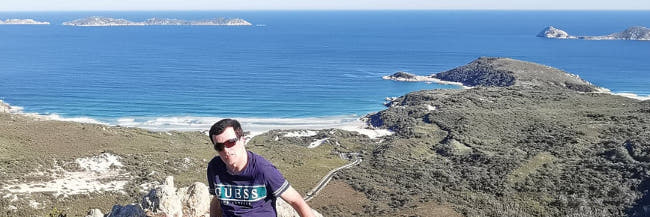
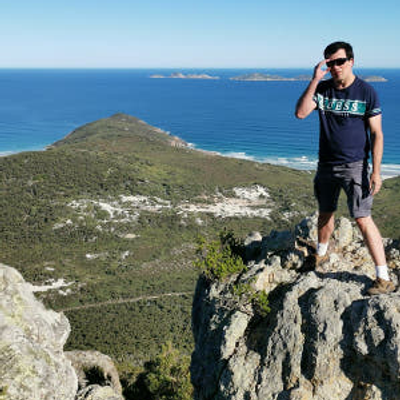
When people say: "I can always tell an AI photo" usually means "I notice the bad ones". That's what it means to me today.
The usual advice is to count the fingers, check the teeth and earrings, and look for nonsense text in the background. It was good advice a couple of years ago. However, every new generator fixes exactly the "tells" people talk about.
Detection that works is trained: samples of real and generated content, compared until something separates them. It beats the human eye by a long way, but a detector can only recognise what it has been shown.
That is the problem with the arms race:
- Stable Diffusion's founder estimated its 2022 training compute at about US$600k (256 GPUs, ~150k GPU-hours); he put DALL-E 2 at roughly 1M GPU-hours
- Stanford's AI Index: ~US$78M of compute for GPT-4, ~US$191M for Gemini Ultra
- Epoch AI: hardware is roughly half to two-thirds of a frontier model's cost, staff 29–49%
- 2025 deepfake-detection rounds I could find: tens of millions
- Running a model once it exists: our 17-second explainer video took one GPU, ~5 hours, under A$10 (~US$6.50), open-licensed models
The risk that worries me most: a private generator with only a handful of images ever released. Nothing to train on, no detector has seen it, and eyeballing won't catch it. Worse if it also forges a camera's metadata and fingerprint, which works for cameras that don't protect their output. Camera makers are now signing and watermarking at the hardware level, so imitating that means breaking the protection, not copying a few EXIF fields.
So what still works? There's a check most people never think of: instead of trying to prove a photo is AI, try to prove it's real. It often tells you more, and it doesn't care which generator made the fake.
The full article covers how that works, why a screenshot or a forward can wipe out the evidence, the one thing I would tell anyone asked to judge a photo, the cost breakdown with sources, and the guides we wrote for each question people send me:
#AI #Deepfakes #DigitalForensics #DFIR #ContentAuthenticity #infosec
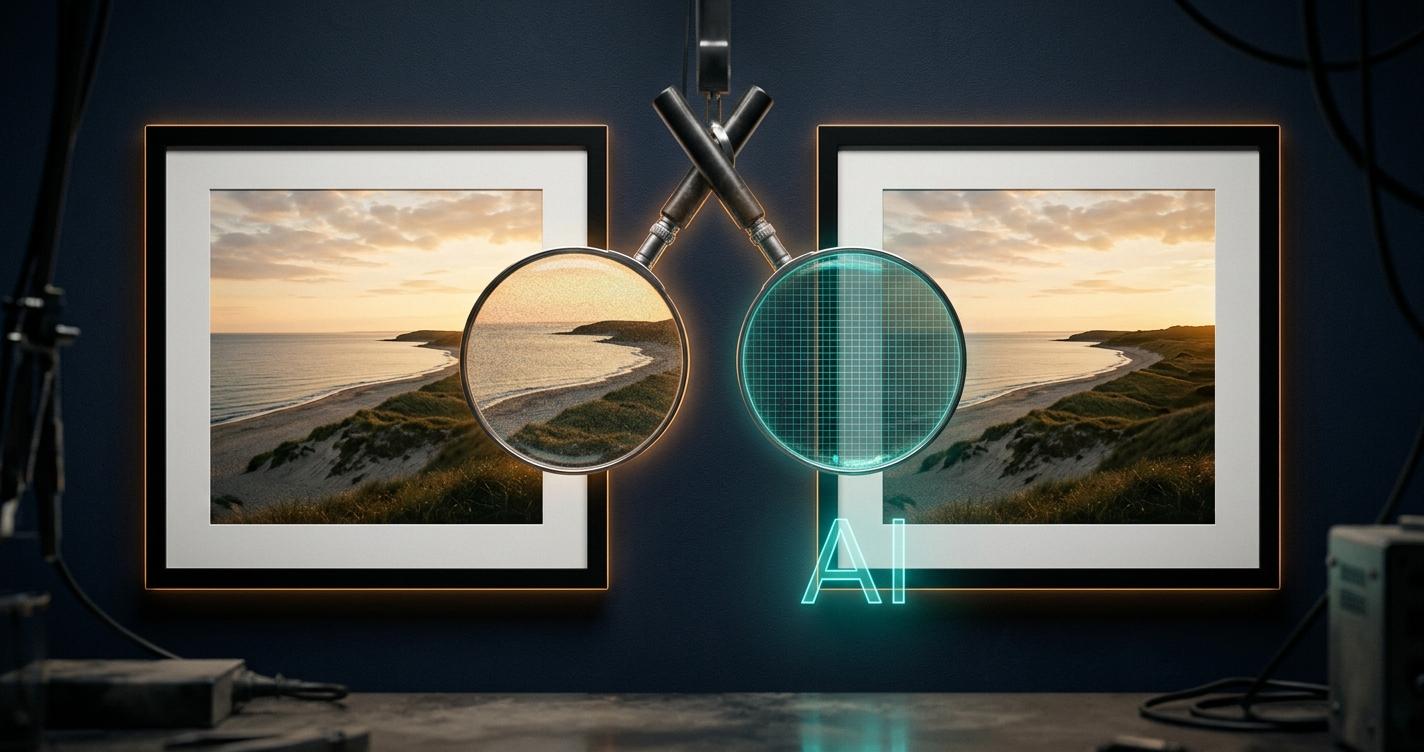
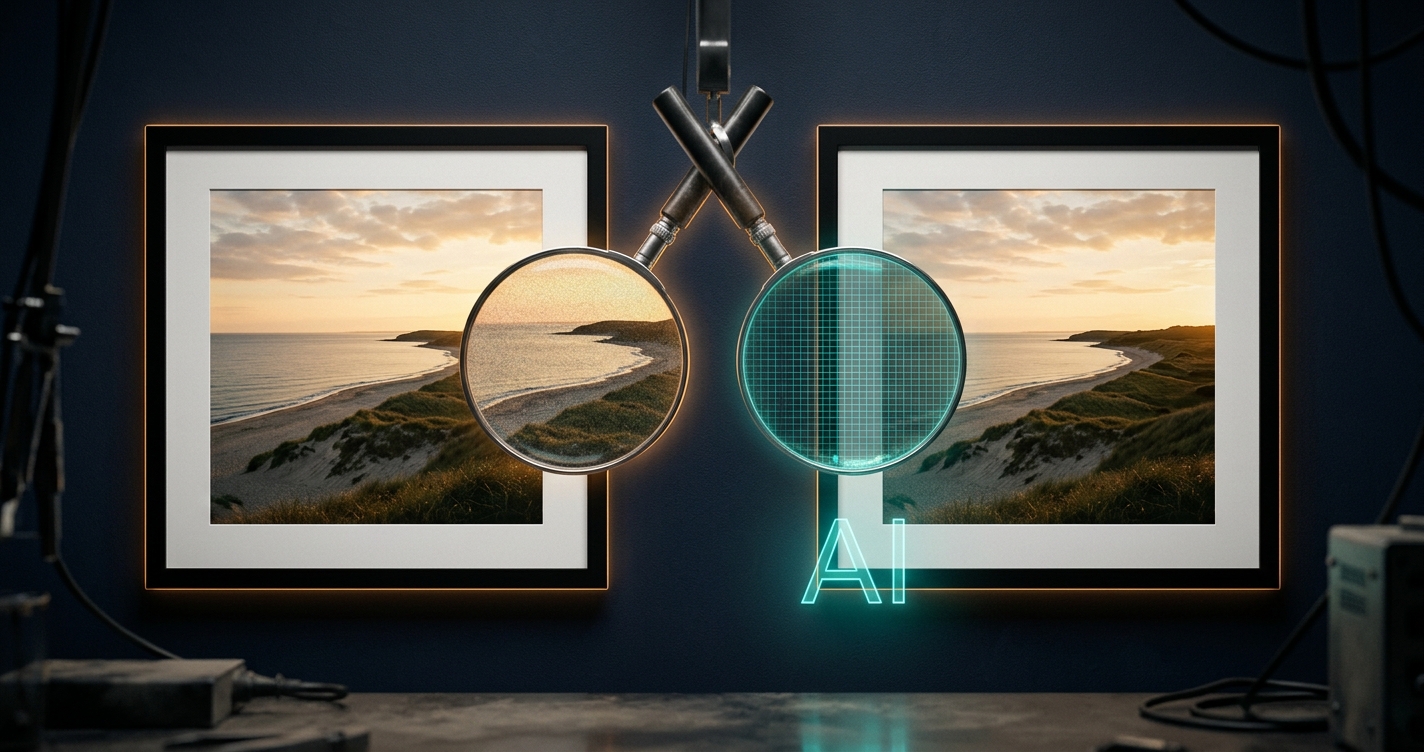 kennethbspringer.auIs This Photo Real? Why AI Is Making That Harder to Answer — Kenneth B. SpringerCan you still spot an AI photo by eye? Why detection is getting harder, what it costs to build a generator, and the checks that still work.