X XFediYour place in the Fediverse
XFEDI

Remote profile

ActivityPub
Profile banner

World Wide Web Consortium

@[email protected]

The World Wide Web Consortium (W3C) was established in 1994 by Web inventor Tim Berners-Lee, to develop interoperable standards to lead the Web to its full potential.
We are an international multi-stakeholder community where member organizations, a full-time staff, and the public work together to build a Web based on the principles of accessibility, internationalization, privacy and security.
Please be more curious than critical. Your interactions go to real people who care and do their best 🙏

Open remote profile ↗
Posts

If you have ever tried to find out what a W3C group has been working on lately, you know it often means piecing together information from several sources: publication lists, GitHub repositories, mailing lists, meeting minutes, and more.

That's why our Systems Team has introduced activity pages: one place to see what a group has been doing, month by month.

They would like to hear what you use the pages for, and what you would want them to show next. See more at:
https://www.w3.org/blog/2026/introducing-group-activity-pages/
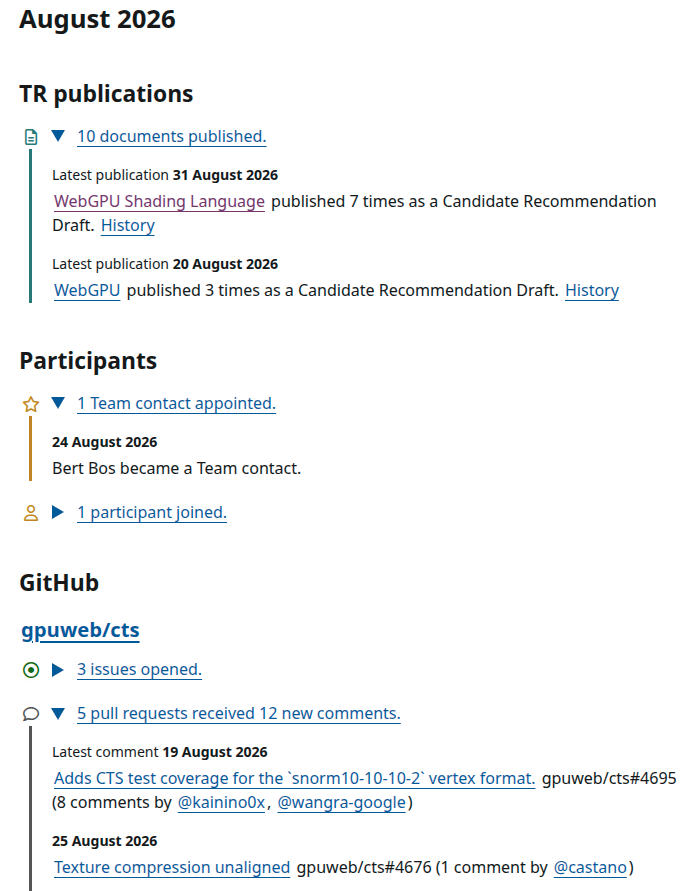

"An extract from an activity page showing some TR publications, participation changes and GitHub activity"
W3CIntroducing group activity pagesW3C groups now have an Activity page that shows, month by month, their charters, publications, meetings, participants and GitHub work in one place. The pages are in beta, and we would like your feedback.
↩ Reply ♡ 0 · ↻ 0 ↗ Original

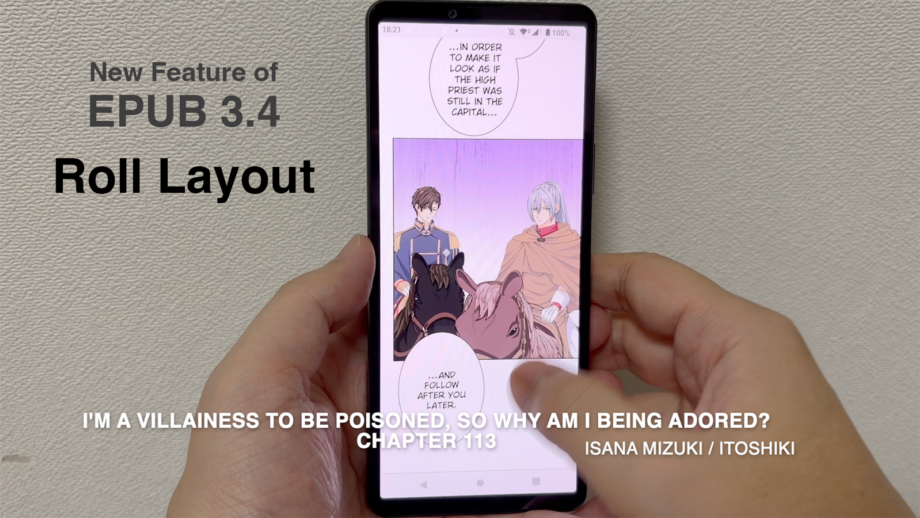
"We’re on a roll - EPUB 3.4 is coming" by @reidmore on the W3C blog

Wendy noted: "The Publishing Maintenance Working Group at W3C has been quietly working on yet another update for the EPUB3 standard, and we're excited to share what we have been up to. Our goal is to not only maintain the EPUB standard, but do our best to keep it in line with the needs of industry, and this update does exactly that."
Read more at:
https://www.w3.org/blog/2026/were-on-a-roll-epub-3-4-is-coming/
#EPUB3 #WebPublishing

"A screenshot from the roll layout demo video, showing a comic on a mobile phone in portrait orientation. The comic is “I’m a Villainess to be Poisoned, so why am I being adored?” by Isana Mizuki and Itoshiki, published by Kadokawa."
W3CWe’re on a roll - EPUB 3.4 is comingThe Publishing Maintenance Working Group at W3C has been quietly working on yet another update for the EPUB3 standard, and we're excited to share what we have been up to. Our goal is to not only maintain the EPUB standard, but do our best to keep it in line with the needs of industry, and this update does exactly that. Your existing books do not need to change, if they conform to previous EPUB ver
↩ Reply ♡ 0 · ↻ 0 ↗ Original

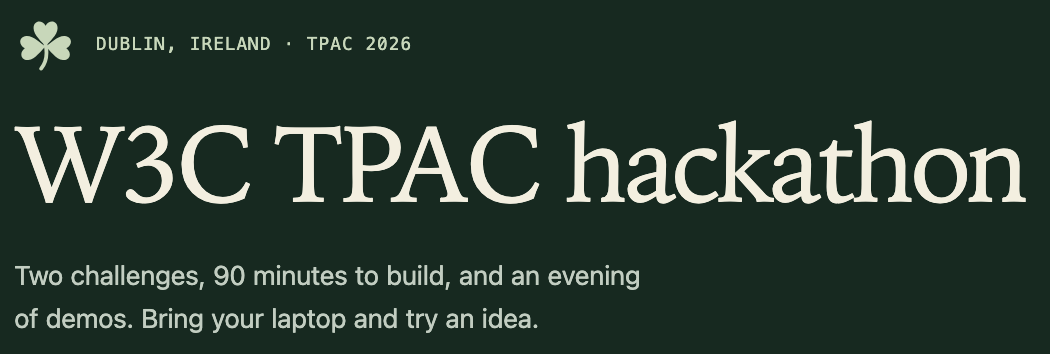
Will you be at TPAC2026 in Dublin? Don’t miss the TPAC Hackathon there!

Everyone will be talking about it and you’re invited to be part of it! We have room for 30 people so register now!

Free for TPAC attendees
Solo or in pairs
All experience levels
Light dinner provided

Many thanks to @igalia, Digital Bazaar and Holopin who have made the Hackathon possible.
https://www.w3.org/register/tpac2026-hackathon
#TPACHackathon #Hackathon

text: "☘️ Dublin, Ireland · TPAC 2026
W3C TPAC hackathon

Two challenges, 90 minutes to build, and an evening of demos. Bring your laptop and try an idea."
www.w3.orgRegistration for TPAC 2026 Hackathon
↩ Reply ♡ 0 · ↻ 0 ↗ Original

The Verifiable Credentials Working Group published a series of W3C Working Group Note Drafts for threat models. All identify and analyze security and privacy threats specific to their recommendation-track documents:
Recognized Entities Threat Model v1.0
Data Integrity Threat Model v1.1
Verifiable Credential Barcodes Threat Model v1.0
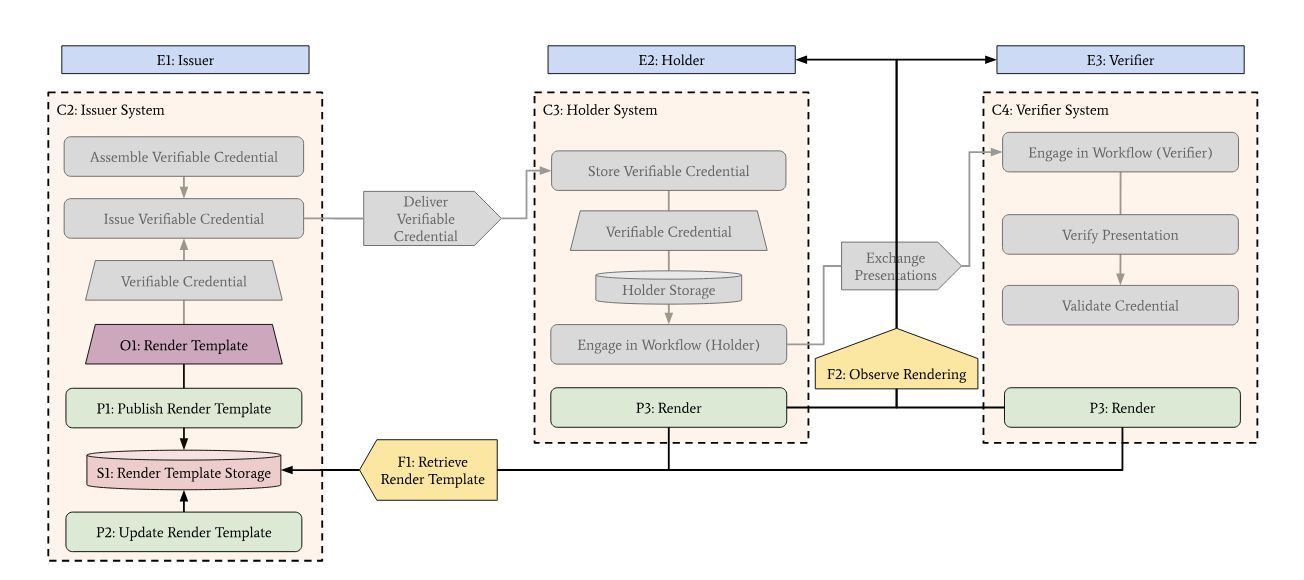
Verifiable Credentials Render Method Threat Model v1.0
VCALM Threat Model v1.0

See more at:
https://www.w3.org/news/2026/first-draft-notes-verifiable-credential-threat-models/
#VerifiableCredentials

a data flow diagram illustrating the key elements and data flows introduced by the Render Method specification. It shows within the Issuer System, the issuer runs the Publish Render Template and Update Render Template processes, which write to Render Template Storage. Within the Holder System and the Verifier System, the Render process retrieves a render template and produces a rendering that the holder or verifier observes.
W3CFirst Draft Notes: Verifiable Credential Threat ModelsThe Verifiable Credentials Working Group has published a series of W3C Working Group Note Drafts for threat models.
↩ Reply ♡ 0 · ↻ 0 ↗ Original

✍️ #blog What’s new in the #W3C Website Design System

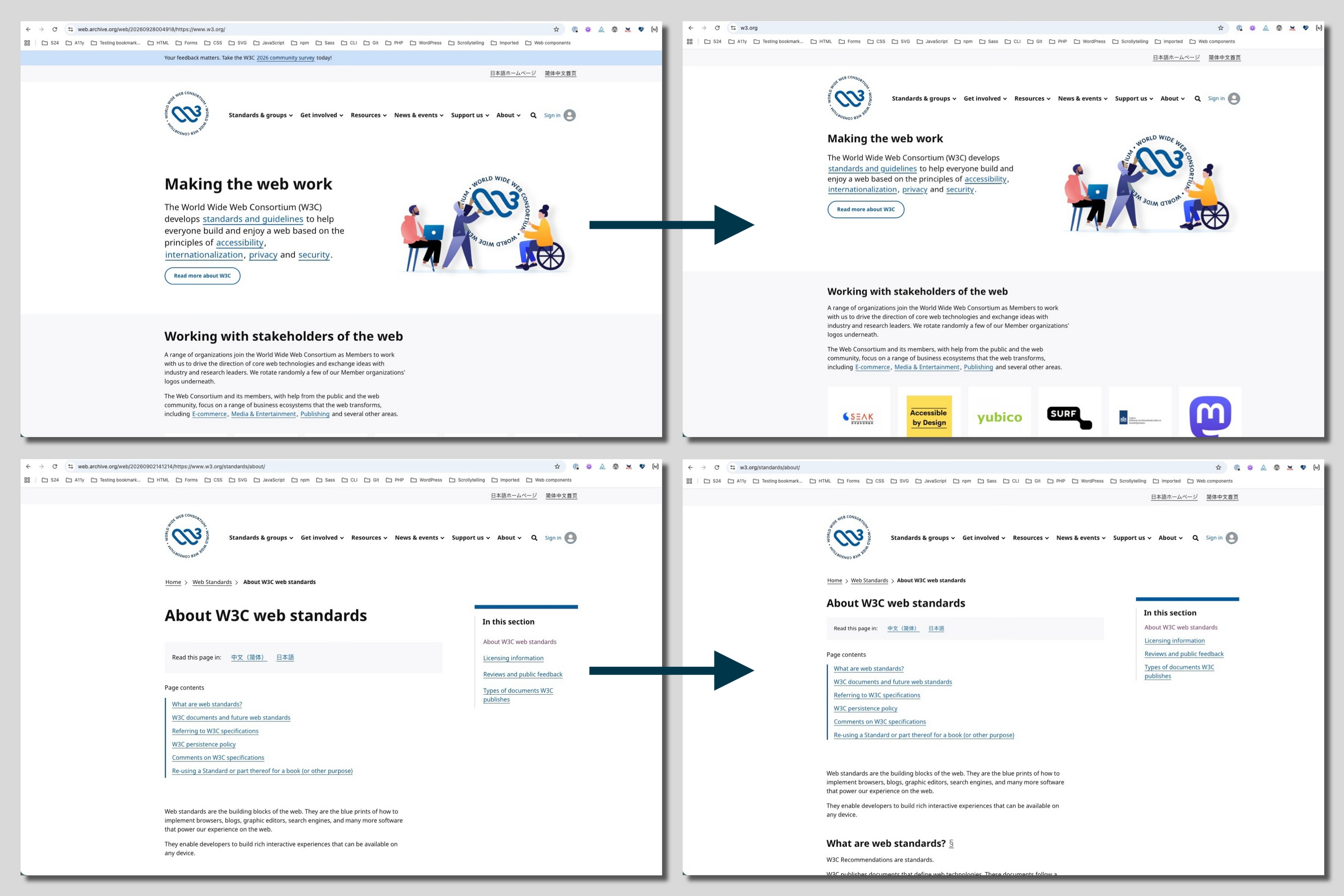
A significant update to the W3C Website Design System, built by @studio24 was published at the end of September 2026.
Read the post by @nickithenoodle about what changed and why.

https://www.w3.org/blog/2026/whats-new-in-the-w3c-design-system-september-2026/

collage of two side-by-side web page screenshots showing before on the left and after on the right
W3CWhat’s new in the W3C Website Design SystemA significant update to the W3C Website Design System was published at the end of September 2026. Here’s what changed and why.
↩ Reply ♡ 0 · ↻ 0 ↗ Original

Regulations limiting children’s access to online content have been broadly and rapidly deployed recently, which require that users provide assurance of their age. The consequences of these regulations may result in major changes to the web.

Tara Whalen and Amir Sharif are leading a mini-workshop to explore Age Assurance as part of #w3cTPAC in Dublin on 28 October.

The deadline for proposals has been extended to 8 October. See more at:
https://github.com/w3c/strategy/issues/569
#AgeAssurance #w3cTPAC

GitHub header: "w3c/strategy
#569 MiniWorkshop @TPAC2026: Age Assurance"
GitHubMini-Workshop @ TPAC2026: Age Assurance · Issue #569 · w3c/strategyTPAC 2026 Mini-Workshop Proposal: Age Assurance Mini-workshop on Age Assurance TPAC 2026 will feature mini-workshops on breakouts day, including one on Age Assurance. Regulations limiting children’...
↩ Reply ♡ 0 · ↻ 0 ↗ Original