Every HR process you run, from payroll to performance reviews, depends on one thing: accurate employee data.
If an employee's bank details are outdated, their salary bounces. If their joining date is wrong, their leave and gratuity calculations are wrong. If their reporting manager isn't updated after a transfer, approvals go to the wrong person.
That's why Core HR is the foundation of every HR system.
What is Core HR?
Core HR is the central record of everything about your employees and your organisation. It typically includes:
- Employee profiles: personal details, contact information, emergency contacts, and bank details
- Job information: designation, department, grade, location, reporting manager, and employment type
- Employment history: joining date, confirmation, promotions, transfers, and salary revisions
- Documents: offer letters, appointment letters, ID proofs, educational certificates, and policy acknowledgements
- Organisation structure: departments, teams, locations, and reporting hierarchies
- Policies: leave, attendance, and HR policies assigned to the right employee groups
Why Core HR matters
1. One source of truth
When employee data lives in five different spreadsheets, nobody knows which one is correct. Core HR gives everyone, from HR to finance to managers, the same reliable information.
2. Everything else depends on it
Attendance, leave, payroll, compliance, and performance modules all pull data from Core HR. Get the foundation right, and everything built on top of it works better.
3. Faster audits and compliance checks
Labour inspections, statutory audits, and internal reviews often require employee records and documents at short notice. With Core HR, they're a few clicks away instead of buried in cupboards.
4. Better data security
Employee data is sensitive. A proper Core HR system controls who can see and edit what, so salary details aren't visible to everyone and every change is tracked.
5. Smoother employee lifecycle
Promotions, transfers, role changes, and exits all update the employee record in one place, and the change flows automatically to payroll, approvals, and reports.
Signs your Core HR needs fixing
- You maintain separate employee lists for HR, payroll, and admin
- Updating one employee's details means editing several files
- Finding a document takes more than a few minutes
- Managers don't know their team's basic details
- Your org chart is outdated the day after you make it
- Employee data is shared over email without controls
What good Core HR looks like
A strong Core HR system should be easy to update, secure by design, and connected to every other HR process. Employees should be able to view and request updates to their own details. HR should be able to bulk-update records when policies or structures change. And leadership should be able to see the organisation clearly, by department, location, or grade.
The bottom line
Core HR isn't the most exciting part of HR technology, but it's the most important. Without clean, centralised employee data, every other process becomes slower, riskier, and more frustrating.
Fix the foundation first, and everything else gets easier.
Learn more about Core HR:
https://www.qkrbiz.com/hrms-software/core-hr
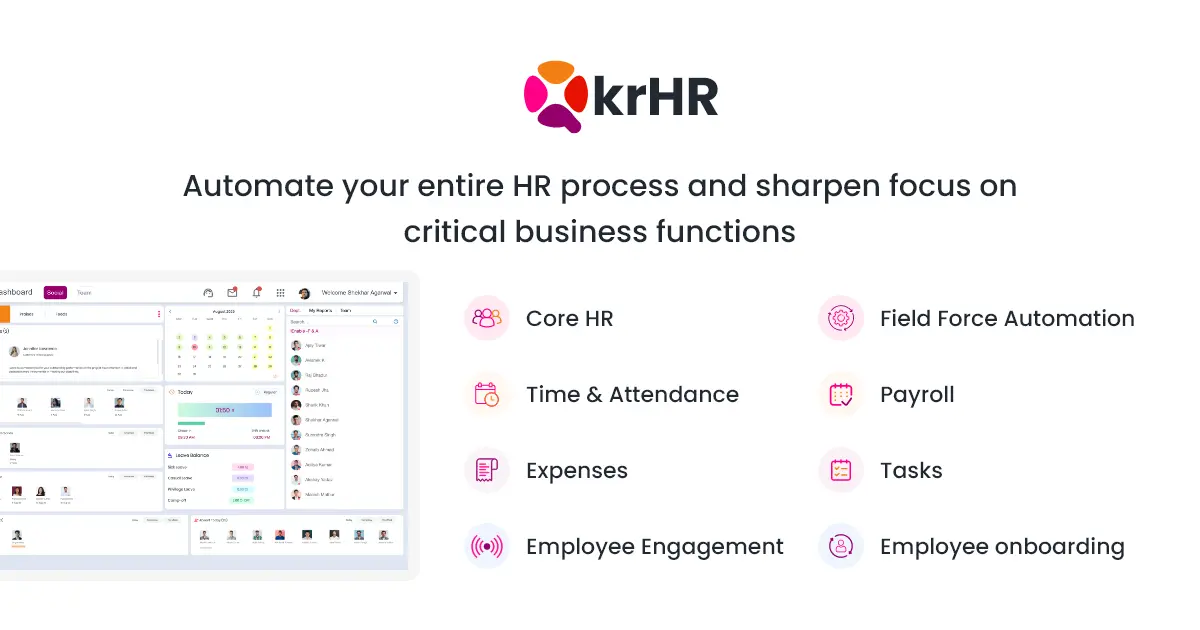 QkrbizBest Core HR Software | Automate Core HR Functions | QkrHRQkrHR smoothly automates core HR activities from employee entry to exit according to the specific needs of every organization. Start your Free Demo of top HRIS software.