Your employees show up every day. But are they engaged?
There's a big difference between employees who are present and employees who genuinely care about their work, their team, and the company's goals. Engaged employees bring ideas, take ownership, help colleagues, and stay longer. Disengaged employees do the minimum, and often leave as soon as a better offer arrives.
What is employee engagement?
Employee engagement is the emotional connection and commitment employees feel toward their work and organisation. It's not the same as happiness or satisfaction. A satisfied employee might be comfortable. An engaged employee is invested.
Warning signs of low engagement
- Rising absenteeism and late arrivals
- Increasing attrition, especially among good performers
- Fewer ideas or suggestions in meetings
- Missed deadlines and declining quality
- Silence in surveys, or very negative feedback
- Employees who stop going beyond their basic role
What really drives engagement
1. Recognition
People want to know their work matters. Recognition doesn't have to be expensive. A sincere thank-you from a manager, a shout-out in a team meeting, or a simple appreciation note can make a lasting difference, especially when it's timely and specific.
2. A good manager relationship
Employees often say they leave managers, not companies. Managers who communicate clearly, give regular feedback, and support their team's growth are the biggest drivers of engagement.
3. Growth and learning
When employees see a future for themselves, they invest more in the present. Clear career paths, training opportunities, and stretch assignments show that the company is investing in them.
4. Two-way communication
Engagement grows when employees feel heard. Regular town halls, open-door policies, and honest pulse surveys give people a voice, but only if leadership acts on what they hear.
5. Fairness and transparency
Inconsistent policies, unclear appraisals, and payroll errors quietly erode trust. When processes are fair, transparent, and consistent, employees feel respected.
6. Wellbeing and work-life balance
Burnout kills engagement. Reasonable workloads, flexible leave, and genuine support during personal difficulties go a long way.
Practical ways to boost engagement
- Run short pulse surveys every few months and share what you'll change
- Celebrate birthdays, work anniversaries, and team wins
- Train managers to give regular, constructive feedback
- Create a simple peer recognition programme
- Make HR processes like leave and payslips easy and self-service
- Hold regular one-on-ones between managers and team members
- Share company goals and progress openly
How to measure engagement
Track participation in surveys, eNPS (would you recommend this company as a place to work?), attrition rates, absenteeism, and internal referrals. Watch the trends over time rather than any single number.
The bottom line
Employee engagement isn't a one-time event or an annual party. It's built every day through recognition, fair processes, good managers, and real conversations.
Companies that invest in engagement don't just retain talent. They build teams that genuinely want to see the business succeed.
Read more about building an engaged workplace:
https://www.qkrbiz.com/hrms-software/employee-engagement
#EmployeeEngagement #WorkplaceCulture #HR #Retention #Leadership
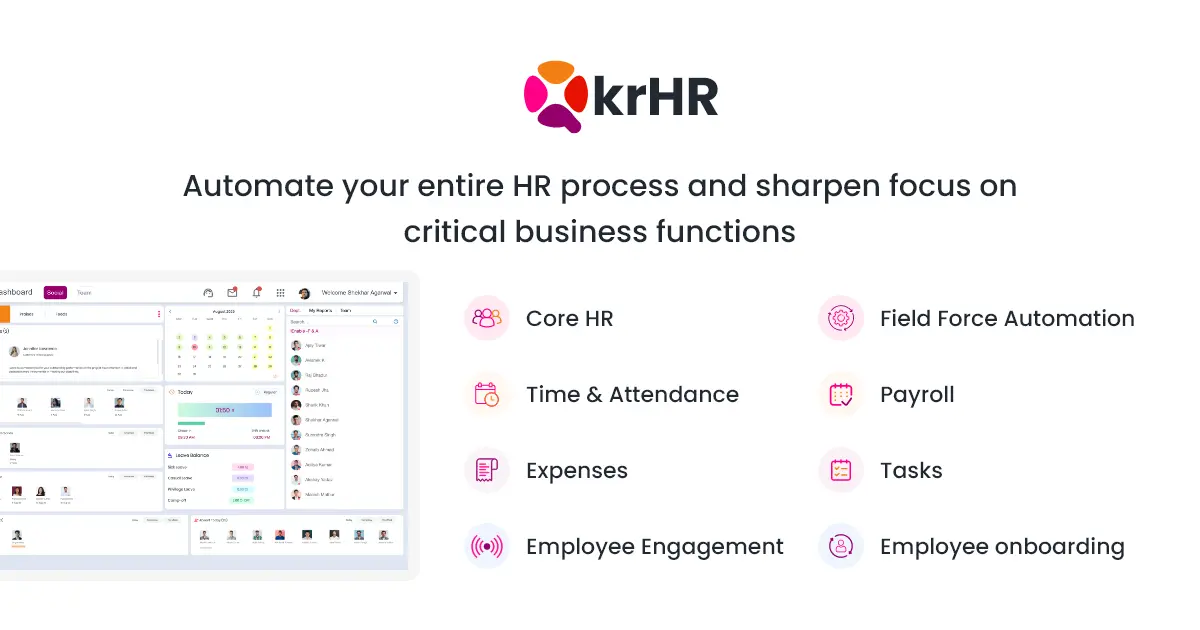 QkrbizEmployee Engagement Platform for Modern Teams | QkrHRBoost productivity and morale with QkrHR's Employee Engagement tools — real-time feedback, recognition, surveys, and performance tracking.