A sales manager returns from a three-day client visit. Hotel bills, cab receipts, meal bills, and fuel slips are stuffed in a folder. Some are faded. One is missing. The claim sits on a manager's desk for two weeks, then goes to finance, who sends it back because a receipt doesn't match.
A month later, the employee is still waiting to be reimbursed for money they spent on company work.
Sound familiar? Manual expense management frustrates employees, burdens finance teams, and makes spending hard to control.
The problems with manual expense claims
- Lost or unreadable paper receipts
- Slow approvals that depend on physical signatures
- No visibility into pending claims
- Errors and duplicate claims that slip through
- Policy limits that aren't checked consistently
- Delayed reimbursements that hurt employee morale
- Hours of manual entry for finance teams
What good expense management looks like
1. Clear expense policies
Start with a clear policy: what's reimbursable, daily limits for travel and meals, required documentation, and claim deadlines. Employees can't follow rules they don't know.
2. Digital claim submission
Employees should be able to submit claims from their phone, snap a photo of the receipt, and add details on the spot, while the trip is still fresh in their minds.
3. Automatic policy checks
The system should flag claims that exceed limits, lack receipts, or look like duplicates before they reach the approver, saving time for everyone.
4. Simple approval workflows
Claims should route automatically to the right manager and then to finance. Approvers should be able to review and approve from their phone, with reminders for anything pending.
5. Real-time tracking
Employees should see exactly where their claim is. No more "Did you get my bills?" messages.
6. Integration with payroll
Approved reimbursements can flow directly into payroll or be paid out separately, with full records for accounting.
7. Spending reports
Finance and leadership should see spending by department, category, project, or employee, helping control costs and plan budgets.
A note on tax treatment
Reimbursements and allowances are not always treated the same way for tax purposes. Proper documentation and classification matter. When in doubt, check with your tax advisor or chartered accountant.
Benefits for everyone
For employees: faster reimbursements and less paperwork.
For managers: quick approvals with all details in one place.
For finance: fewer errors, better control, and audit-ready records.
For leadership: clear visibility into where the money goes.
The bottom line
Expense management doesn't have to be a monthly headache. With clear policies and a digital process, claims get submitted, approved, and paid quickly, and your team gets back to the work that matters.
Learn more about employee expense management:
https://www.qkrbiz.com/hrms-software/employee-expense-management
#ExpenseManagement #Reimbursement #Finance #HRTech #Productivity
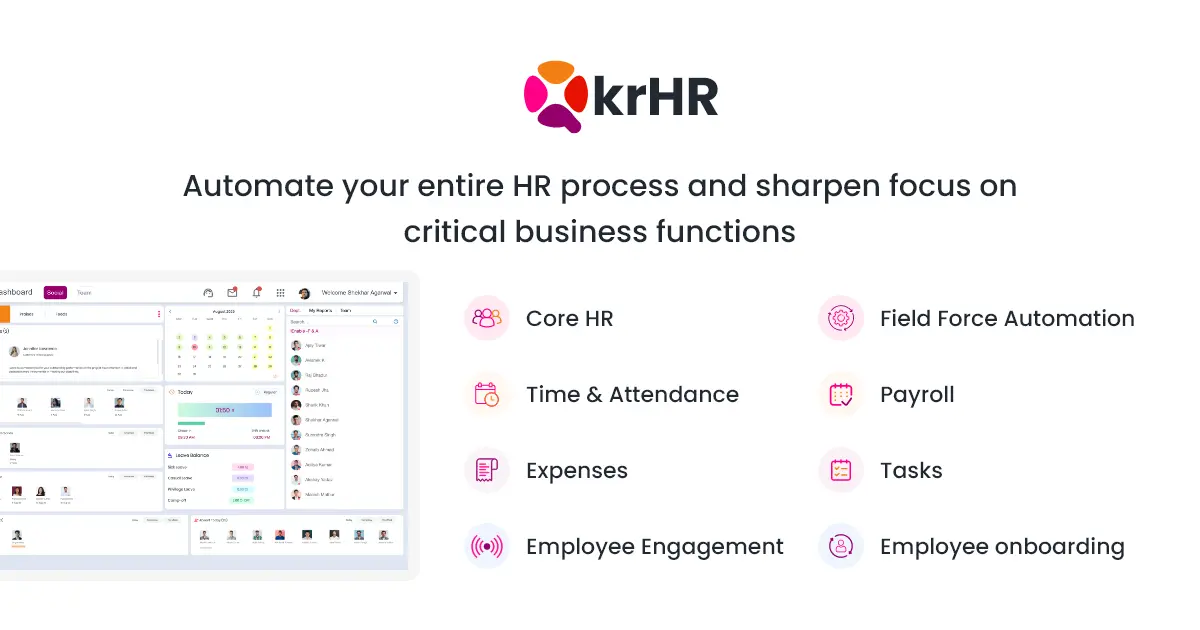 QkrbizAutomated Employee Expense Management Software | QkrHRQkrHR's Employee Expense Management System automates tracking, approvals, and reimbursements to boost compliance and reduce manual errors.