From the day someone accepts your offer to the day they serve their last notice period, HR manages dozens of touchpoints in their journey.
Documents. Attendance. Leave. Salary revisions. Appraisals. Transfers. Promotions. Exit formalities. Full and final settlement.
When these are handled across separate spreadsheets, email threads, and paper files, things slip. When they're managed in one connected system, the entire employee journey becomes smoother for everyone.
That's what employee management software is about.
The employee lifecycle, stage by stage
1. Hiring and offer
The journey begins with hiring. Offer letters, salary structures, and joining dates should be recorded accurately from day one, because everything after depends on them.
2. Onboarding
Collecting documents, setting up payroll and bank details, assigning policies, sharing the employee handbook, and preparing the first-week plan. A digital onboarding process ensures nothing is missed and new hires feel welcome.
3. Employee records
A complete, secure profile for every employee: personal and job details, documents, reporting manager, and employment history in one place.
4. Attendance and leave
Daily attendance, leave applications, approvals, and balances. These directly affect payroll, so accuracy matters.
5. Payroll and compliance
Monthly salary processing, statutory deductions like PF, ESI, PT, and TDS, and payslip generation. Connected to attendance and leave for accurate calculations.
6. Performance and growth
Goal setting, KRAs, regular check-ins, appraisals, and development plans. This is where engagement and retention are built or lost.
7. Role changes
Promotions, transfers, department changes, and salary revisions. Each change should update the employee's record and flow automatically to payroll and approval chains.
8. Exit and offboarding
Resignation, notice period tracking, handover, asset recovery, exit interview, and full and final settlement. A respectful, organised exit protects your reputation and keeps the door open for rehires and referrals.
Why connected employee management matters
- No duplicate data entry across departments
- Fewer errors in salary, leave, and compliance
- Faster responses to employee queries
- Managers get visibility into their teams
- Leadership gets reliable data for decisions
- Audits and inspections become far less stressful
Signs you need better employee management
- HR spends more time on paperwork than on people
- Employees often complain about errors in salary or leave
- Managers don't have basic information about their teams
- Exit settlements take weeks
- You can't quickly answer "how many employees do we have in each department?"
The bottom line
Employee management isn't just administration. Every interaction shapes how employees feel about your company. When processes are smooth, accurate, and transparent, employees trust the organisation, and HR gets the time to focus on growth, culture, and people.
Learn more about employee management with QkrHR:
https://www.qkrbiz.com/hrms-software/employee-management
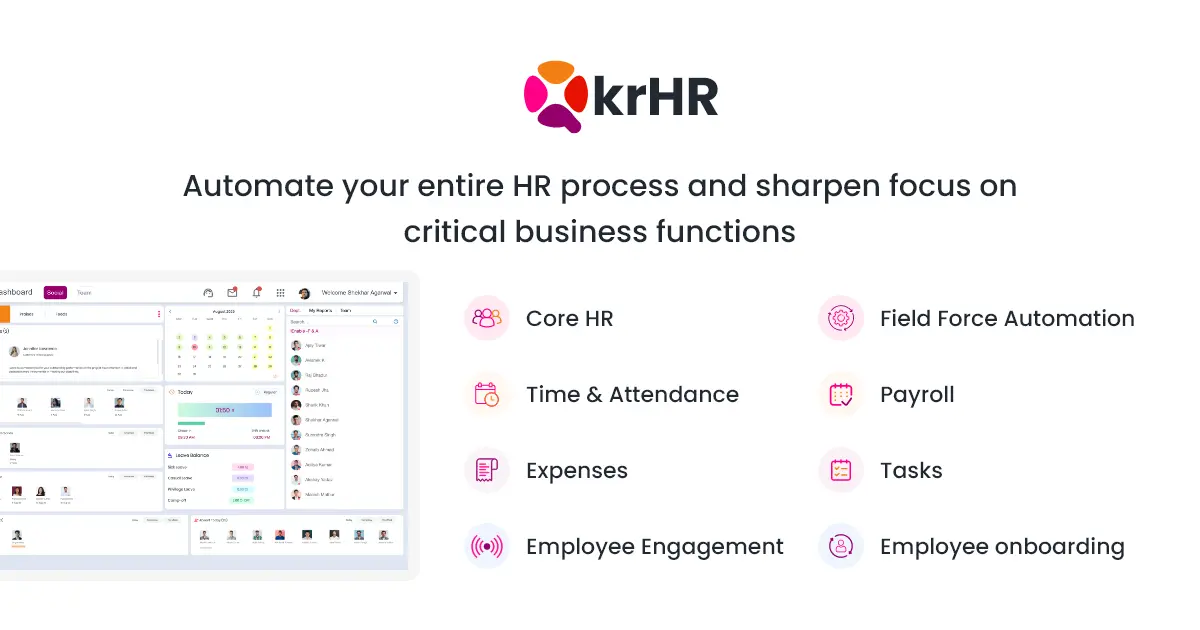 QkrbizEmployee Database & Staff Records Management System | QkrHRUnify staff records with QkrHR employee database management system. Centralize personal data, documents, job history, and assets in one secure HR platform.