X XFediYour place in the Fediverse
XFEDI

Conversation

ActivityPub

The first photograph of Earth from outer space was taken OTD on 24 October 1946, from rocket V-2 No. 13 launched from the White Sands Missile Range in White Sands, New Mexico.

The rocket reached a max. altitude of 105 km.

The DeVry 35-mm motion picture camera was placed in the rocket by Clyde Holliday of JHU-APL.

The V-2 was developed during WWII in Nazi Germany as a "vengeance weapon" and assigned to attack Allied cities.

https://en.wikipedia.org/wiki/V-2_No._13
https://www.postwarv2.com/usa/ws/uars/uars13.html
1/n
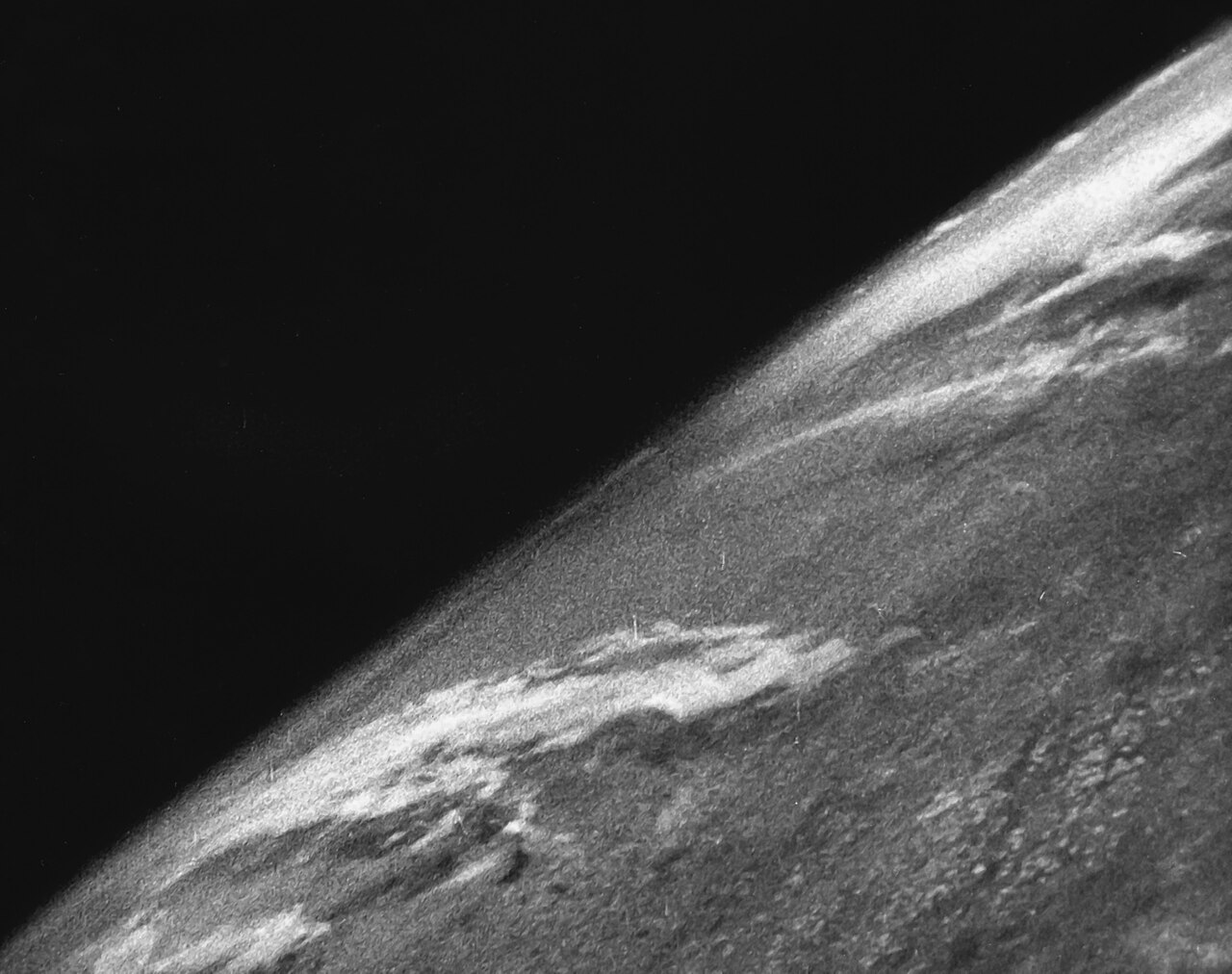
The first photo of the Earth above the Kármán line.
The upper left half contains the darkness of space above the limb of the Earth.
en.wikipedia.orgV-2 No. 13 - Wikipedia
↩ Reply ♡ 0 · ↻ 0 ↗ Original

Oct 24, 2026 · 12:38 UTC

Replies
↳ In reply to a post

Clyde Holliday, an instrument specialist at APL, well understood the importance of the photos for the study of Earth.

Holliday wrote in a Nat Geo article in 1950 - "Results of these tests now are pointing to a time when cameras may be mounted on guided missiles for scouting enemy territory in war, mapping inaccessible regions of the earth in peacetime, and even photographing cloud formations, storm fronts, and overcast areas over an entire continent in a few hours."

https://www.smithsonianmag.com/air-space-magazine/the-first-photo-from-space-13721411/
2/n

Smithsonian MagazineThe First Photo From SpaceIn 1946, rocket-borne cameras gave us our first look at Earth from beyond the atmosphere
↩ Reply ♡ 0 · ↻ 0 ↗ Original