
New death toll from the Urda accident. The number of fatalities has risen to 74, and it has been confirmed that 24 foreign nationals remain unaccounted for. #urdaTragedy
XFEDI
ActivityPubFederated
HELLO, FEDIVERSE
Good conversations travel.
Public updates from xsukax and this corner of the network.
Sign In to your accountPublic posts known to this server, including selected instances.
↻ @[email protected] boosted

Gotta say that the new Firefox "local mapping" feature is really good for testing static site generators.
With it I can just open one of the built files and the browser allows me to enable the feature for that folder and everything starts to work correctly:
* absolute links ✅️
* css and javascript ✅️
* favicon ✅️
https://firefox-source-docs.mozilla.org/devtools-user/local_mode/index.html

I’ve reached my daily reading goal:

↻ @[email protected] boosted

Would anyone else like to play #gravitonsFestival 2026?
We have 7 artists so far for our annual #experimental music livestream fest: 7th to 12th November
Edits: slots are filling up, we have 14 sets!
↻ @[email protected] boosted

Free online talk announcement: next week, I'll speak at A11yTalks about accessibility pushback, and how to tackle them!
From "it's too expensive" to "we'll fix it later," accessibility advocates hear plenty of objections.
This session explores nine common myths and how designers, developers, and project teams can respond using data, examples, and practical arguments.
When: Wed, October 28, 12pm ET
Registration: https://a11ytalks.com/posts/2026-oct

↻ @[email protected] boosted

Ten years ago, I wrote about a problem that was already undermining the #openweb, that nobody was linking to anybody, and that the incentives were all moving in the wrong direction. #Mainstreaming platforms had little reason to send people towards alternative sources, while grassroots projects were left struggling to build connections with each other. Even when people wanted to cooperate, there were plenty of reasons to avoid linking, sharing audiences or giving another project […] Show content
Ten years ago, I wrote about a problem that was already undermining the #openweb, that nobody was linking to anybody, and that the incentives were all moving in the wrong direction. #Mainstreaming platforms had little reason to send people towards alternative sources, while grassroots projects were left struggling to build connections with each other. Even when people wanted to cooperate, there were plenty of reasons to avoid linking, sharing audiences or giving another project visibility.
The result was an increasingly fragmented web. Lots of websites, lots of content, lots of people doing useful work, but fewer if any meaningful connections between them. Ten years later, the technology has changed, the underlying problem has not gone away. In some ways, it has become worse, as the attention economy has eaten the #openweb. The commercial internet is built around capturing attention, the more time people spend inside a platform, the more valuable that audience becomes to its owners. External links interrupt this process, they send people somewhere else, towards another publisher, another community or another source of information.
From the perspective of the #dotcons, this is a problem to manage, as their business model rewards keeping people inside their own environments, controlling discovery and turning the activity of users into something that can be measured, monetized and sold. Likewise search engines increasingly provide answers directly, social platforms prioritize their own feeds and recommendation systems and publishers compete for visibility inside systems they do not control.
The #openweb still has hyperlinks, but the “common sense” culture surrounding them has changed. The problem is not that links have disappeared, it is that the common sense dominating online life have weak incentives to support an open, reciprocal network of independent publishers. This matters because the web was never supposed to be a collection of isolated destinations. Its strength came from the connections between them: people following sources, discovering unexpected ideas, checking evidence, finding communities and building on each other’s work. Take those connections away, and the web becomes a collection of competing islands.
We have been building better technology, but federation is not enough, over this last ten years, the #Fediverse has grown, ActivityPub has become more visible, and more websites connect with decentralized social networks. This is real progress, we now have more technical possibilities for building an alternative to the centralized paths. But there is #blocking, we to often grow federated social networks that still reproduce the habits of closed #dotcons social media.
Federation connects systems, it does not create solidarity these systems need to work. The same applies to #FOSS, open-source software. Open code is important, but it does not guarantee that projects will cooperate, share audiences or build lasting relationships. Technical openness is necessary, but it is not sufficient. This is where the #4opens become useful: open code, open data, open standards and open processes. They can be used to give us a practical foundation for cooperation, but we still have to build the culture that makes that cooperation meaningful.
The mainstreaming trap… ten years ago, I described the difficulty of getting #mainstreaming alternatives to link to each other. This underlying tension remains, grassroots projects need reach, resources and recognition, mainstream organizations have their own priorities, reputation concerns and institutional incentives. They will link externally when it serves their purposes, the problem is that those links are selective and instrumental rather than part of a wider commitment to an open information commons.
Grassroots projects end up supplying stories, ideas, research and community knowledge to organizations that gain the attention while the original producers receive little in return. This is one of the quieter forms of #mainstreaming. The grassroots become useful contributors to somebody else ‘s system without building the independent relationships needed to sustain their own. The answer to this smell is not to refuse every mainstream connection, that would be another kind of isolation. It is a balancing act, work with wider institutions when useful, but maintain independent infrastructure, reciprocal relationships and the ability to carry on without their permission. We need bridges, not gateways that leave us dependent on whoever controls the other end.
Why don’t the grassroots simply link to each other? This is where the problem becomes more uncomfortable, as it is easy to blame the #dotcons as their incentives are obvious. It is harder to look at the habits and assumptions within our own communities. Grassroots projects compete for the same funding, audiences, volunteers and recognition. People worry about sending attention elsewhere. Organizations protect their own identities, developers build separate platforms, campaigns create separate communication channels.
Sometimes this mess happens for understandable reasons. Projects have limited time and resources, trust has to be earned, not every source is reliable, and not every relationship is useful. But too often, we reproduce the same competitive logic we claim to oppose. We talk about solidarity while treating our own websites as little territories. We talk about commons while keeping our work disconnected. We talk about decentralization while building social and technical systems that make cooperation harder than it needs to be.
This is the #geekproblem in a wider social form, the assumption that if we build the right technology, the human relationships will somehow follow. They won’t – a network is made through practice, people have to link, share, maintain, argue, repair and work together. The technology should support those activities rather than pretend to replace them. The OMN is about mediating this mess by making linking part of the infrastructure – the OMN is not another social-media platform competing to own an audience. It is a network of flows, a way to connect independent publishers, community archives, grassroots news projects and other sources through shared data and open protocols.
The basic technical model is straightforward.
- SUB – flow in. Nodes subscribe to RSS, ActivityPub and other feeds, collecting public information from independent sources.
- Shared data objects – connect the information. Nodes maintain local copies of text and metadata, preserving links to the original sources and recording provenance.
- PUB – flow out. Nodes publish selected information through feeds that other projects can reuse, with attribution and links back to the original material.
- FAT-PING – synchronize the metadata. Participating nodes share tags, classifications and relationships, allowing communities to connect information without requiring one central authority to control the whole network.
This #KISS technical path creates the possibility of something more useful than a collection of disconnected websites.
A local news project could publish reporting that appears in a community feed. An archive could connect that reporting to historical material. Another community could add relevant location or subject tags. Different frontends could present the same information for different purposes.
The original publisher remains visible. The information becomes more useful through connection. The wider network gains value as more people participate, the objective is not to scrape everybody’s content and republish it without permission. It is to build a practical commons around open feeds, clear attribution, appropriate licensing and community control.
The technology should make it easier to send attention outwards, not capture it inwards, we need to move from reciprocal links to reciprocal infrastructure. The original proposal is simple: if linking is going to become central to the #openweb again, the grassroots have to make it happen.
We need to take that idea further – reciprocal linking should be part of a broader practice of reciprocal infrastructure. That means:
- Linking to relevant work from other independent projects.
- Citing original sources rather than stripping information of its provenance.
- Sharing feeds and making independent publishers easier to discover.
- Connecting community news with historical archives and local knowledge.
- Maintaining directories and cross-project indexes.
- Supporting open standards so that information can move between different systems.
- Building shared infrastructure without requiring every project to surrender its independence.
This is not about #SEO of creating artificial link exchanges or rewarding websites for linking to one another. Nor is it about pretending that every source deserves equal trust. It is about recognizing that the value of an open network comes from useful connections, not isolated ownership. Trust still matters, moderation still matters, communities need to decide what they publish and which sources they rely on. But these decisions should help build better flows rather than turn every community into another closed silo.
The political choice is simple (#KISS) – we have spent years watching the commercial internet turn relationships into engagement metrics, communities into audiences and information into a resource to be enclosed. The #openweb offers another possibility, but only if we are willing to practise it. This is not about abandoning individual projects, it is about making them part of a living commons. A river does not become powerful by keeping every drop in a separate container. It becomes powerful through the connections between its springs, streams and tributaries. The same is true of the #openweb.
Ten years ago, the problem was that nobody was linking to anybody. Today, we have more technical ways to connect, but we still need the social practice that makes those connections matter. The #OMN is one path to build that practice into the infrastructure itself, not another platform, not another silo. A network of flows, built by the people who need to begin to rebuild the #openweb.
I should LINK from this post, please post URLs in the comments.
#OMN #openweb #4opens #Fediverse #ActivityPub #RSS #indymedia #commons

Analog is nice and consistent about having a year and month on the cover, and that's most of the mags, although there are still differences between US and UK editions that I haven't captured.

Nuevo recuento de víctimas del accidente de Urda. Aumenta a 74 la cantidad de personas fallecidas y se confirma que hay 24 extranjeros no localizados. #accidenteTren

🎯Hackfest Level Up: C'est CE SOIR que ça commence🚀
CE SOIR - 29 OCTOBRE 📅 ⏰ 18h - Cocktail d'ouverture 🍾 Rendez-vous pour lancer cette 18e édition en beauté! Networking, connections et bonne vibes garantis
🔒 CTF 24H EN DIRECT Les compétitions commencent CE SOIR Préparez vos outils, hackers!
🌍 La + grande communauté de sécurité de l’est du Canada vous accueille à Québec
👉 Hackfest NOW: Voyez notre horaire https://now.hackfest.ca/?utm_source=socmed&utm_medium=mastodon&utm_campaign=hfJour0

Possible Phishing 🎣
on: ⚠️hxxps[:]//learn-start-io-trezor-us[.]typedream[.]app
🧬 Analysis at: https://urldna.io/scan/6ae2e8be3b77500007dc85ab
#cybersecurity #phishing #infosec #urldna #scam #infosec

 urldna.iourlDNA - The DNA test for websitesUnleash website insights! urldna.io analyzes data, monitors brands and exposes security risks. Analyze URLs like a DNA test

Flood insurance flood map data used to set premiums is increasingly supplemented by commercial remote sensing data that can identify property-level risk.
So what: request your free LexisNexis and CLUE reports, the files insurers score you from, and dispute any errors.

ASN: AS2518
Location: Niigata, JP
Added: 2026-10-25T10:16
Sensitive media · Show


Sacha Baron Cohen formally apologizes to Kazakhstan for his "Borat" character, though I wouldn't describe it as particularly heartfelt or penitent... https://youtu.be/UWhMlUaCOlg?si=LA51yP-Cq_WcAgqQ

SecBlog cheat sheet: GitHub Actions OIDC hardening for AWS, Azure and Google Cloud. 23 checks to retire long-lived keys and lock down who can assume your cloud roles. https://secblog.reedcloudsec.com/github-actions-oidc-hardening-cheat-sheet/
 SecBlogGitHub Actions OIDC Hardening Cheat Sheet: AWS, Azure, GCPGive GitHub Actions access to AWS, Azure and Google Cloud without long-lived keys, trusting immutable IDs, not repo names. A 23-item checklist.

Anti-Zionism: A Jewish History by Benjamin Moser neglects many of the ideological streams that first cemented Jewish anti-Zionism.
✍️ Colin Shindler
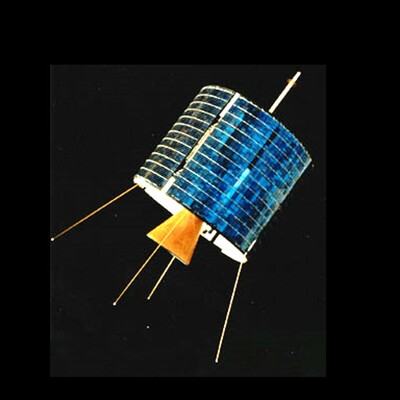
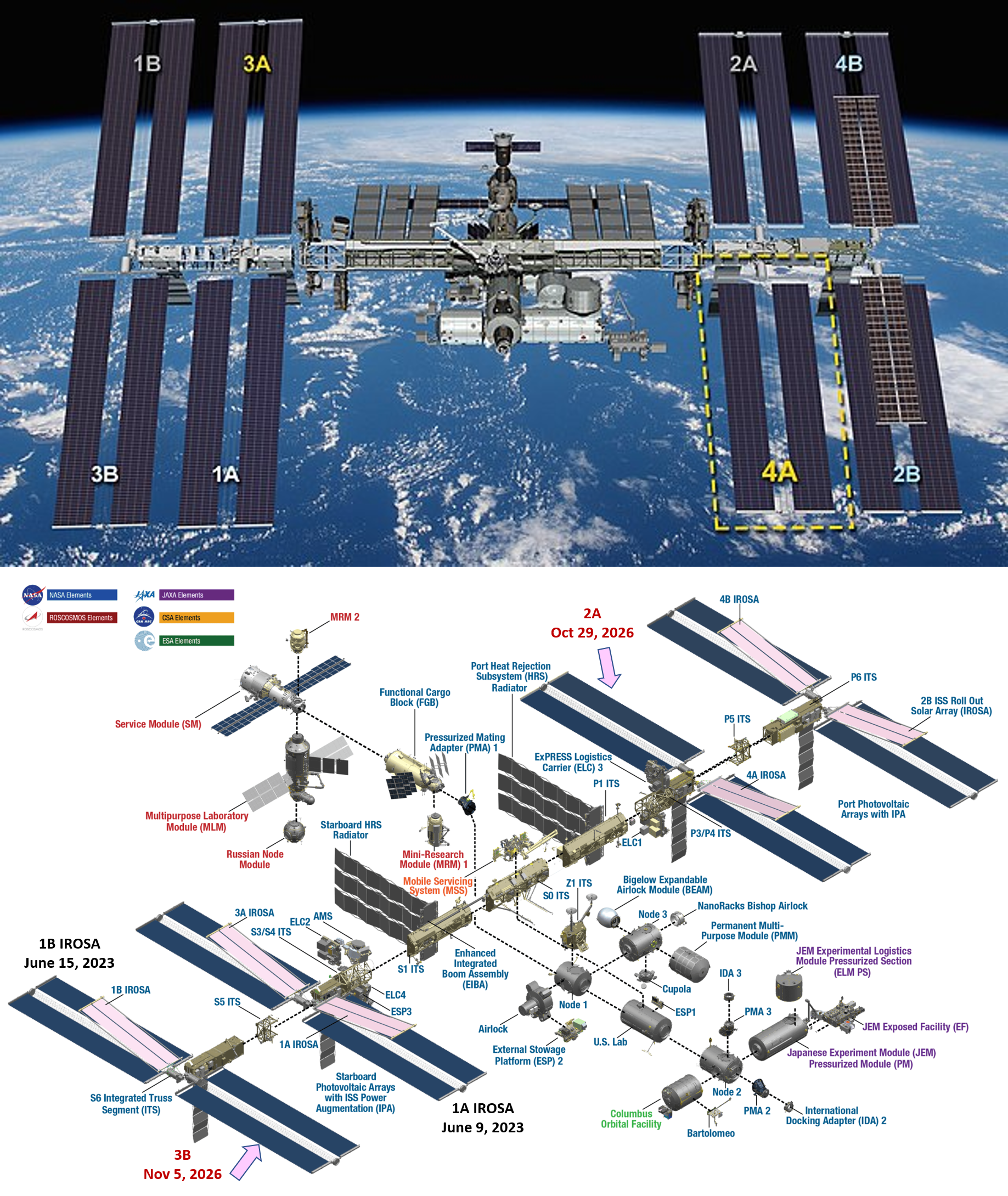
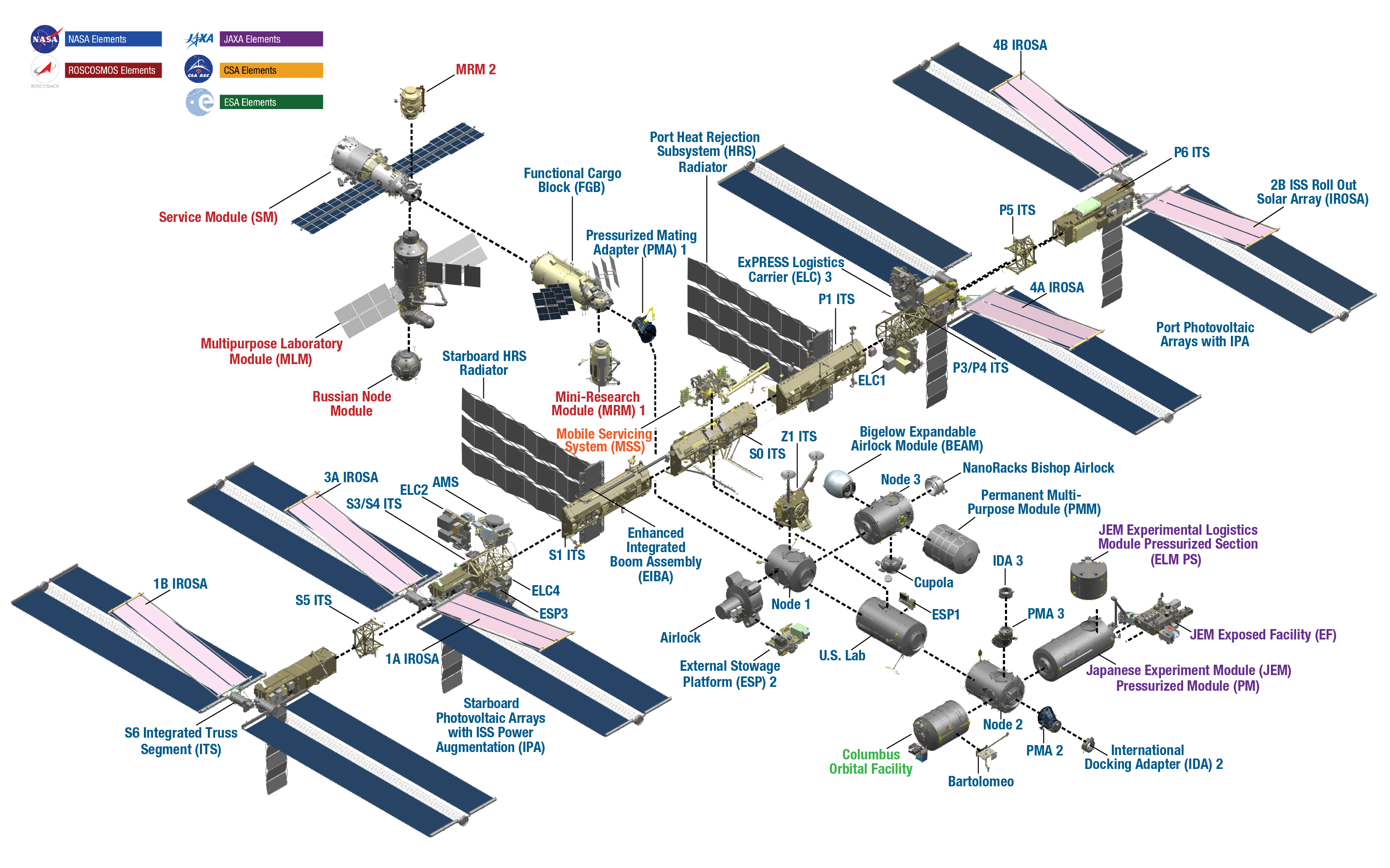
See graphic below for the locations of the various iROSA arrays on the ISS. Truss 2A is being worked on today.
Each iROSA array produces more than 20 kW of electricity; the 8 arrays will eventually generate 160 kW of augmented power during orbital daytime. In addition, the partially uncovered original arrays will continue to generate ~65 kW of power.
iROSA on 3B will be deployed on Nov 5.
https://www.nasa.gov/international-space-station/space-station-facts-and-figures/
2/n
 NASAInternational Space Station Facts and Figures - NASAInternational Space Station Facts An international partnership of five space agencies from 15 countries operates the International Space Station. Learn more

RE: https://kolektiva.social/@arrrg/117525244219200656
Remember that this paint by numbers artist wasn't inducted into the Nashville Songwriters Hall of Fame until after Dolly Parton left this mortal coil.
Standards were much higher during her lifetime.
Taylor swift commands millions and does nothing of value with it, but she’s a billionaire.
kolektiva.socialBook (@[email protected])Taylor swift commands millions and does nothing of value with it, but she’s a billionaire.
Spanish long jumper Julieta Gallego among victims of deadly train collision https://www.aljazeera.com/sports/2026/10/29/spanish-long-jumper-julieta-gallego-among-victims-of-deadly-train-collision?traffic_source=rss
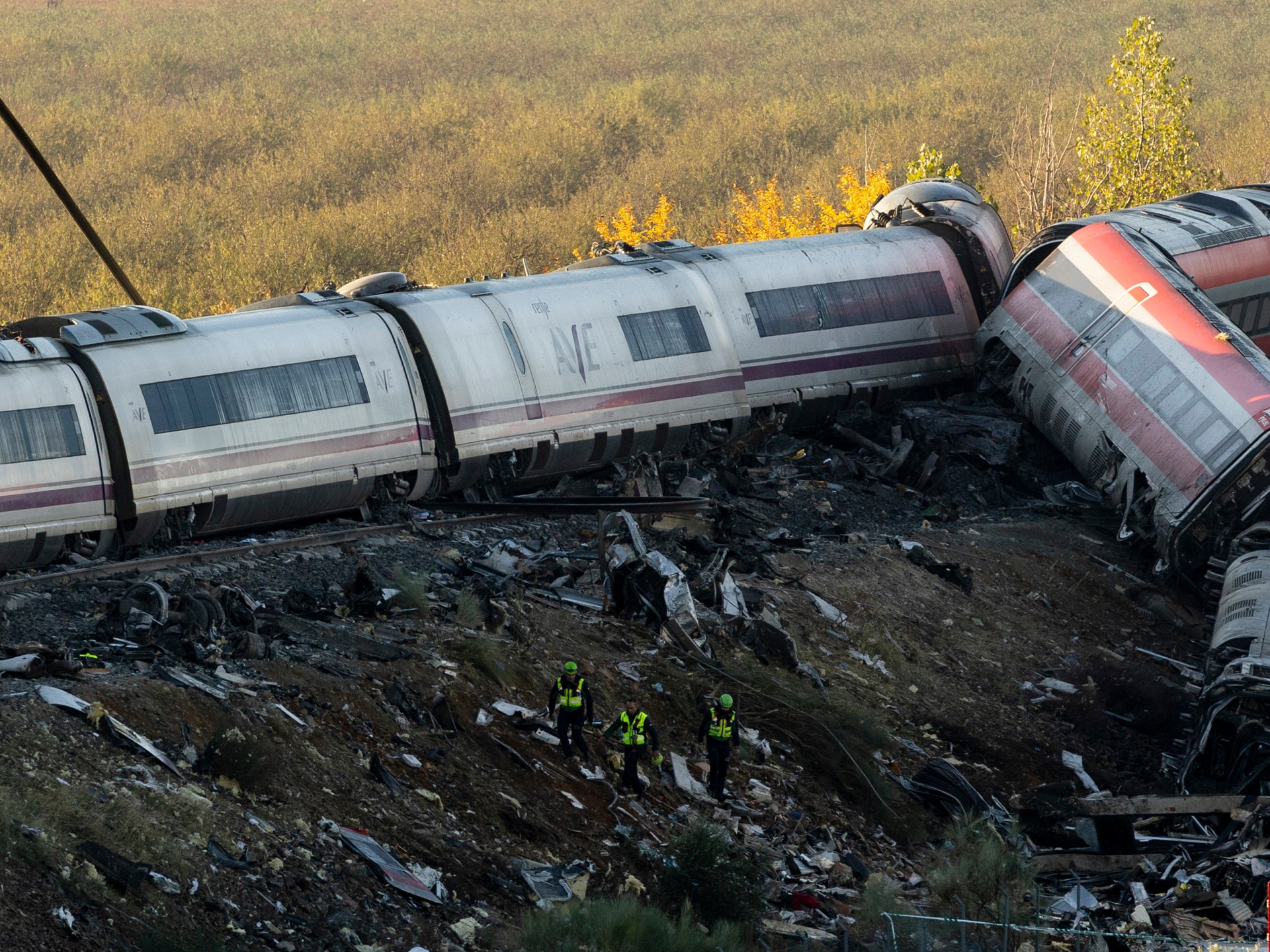 Al JazeeraSpanish long jumper Julieta Gallego among victims of deadly train collisionJulieta Gallego, who competed for Madrid-based AD Sprint, among those killed in train crash in Spain.

Update: turns out the vuln is totally real. But the circumstances of the leak were still fishy imo.

neotribals r floral patterns 4 tryhards

Chiyonoyama Masanobu, who died OTD in 1977, was #sumo's 41st Yokozuna or top champion https://cromwell-intl.com/travel/japan/hiroshima/okonomiyaki.html?s=mb #travel #Japan #history
 Bob's Pages of Travel, Linux, Cybersecurity, and MoreOkonomiyaki, Hiroshima's Best FoodOkonomiyaki is a savory multi-layer single-dish meal, and the very best version is found in Hiroshima. Its name is literally "how you like" "fried".
Just ordered a new batch of business cards and postcards for my jewelry business. The postcards are mostly blank on the back so I can run them through my laser printer before a show to print out future show dates and class schedules. Yes, it'll be a pain in the ass, but it beats ordering new cards every 3 months with up-to-date info on them. I have no idea what shows I'll be doing next year.

I called my health care insurance and it sounded like the woman was trying to take care of an infant at the same time which she was answering my question.
Damn, that's a difficult job.

Short Video 510 Nintendo Switch 2 ニンテンドースイッチ2 Mario Kart World マリオカートワールド https://www.youtube.com/watch?v=LzImTqMa0sA

I should have taken the chance to learn blacksmithing 10 years ago and go live my life off the grid.
An Anthropic engineering manager argues coding interviews are poor predictors of engineering impact, which I strongly agree with.
His advice to junior engineers? Work where the company makes money, challenge established assumptions, and build prototypes instead of waiting for permission.
That’s been good advice for decades. AI just makes execution cheaper.
https://felixrieseberg.com/hunger-beats-tenure-advice-for-junior-engineers/

 Felix RiesebergHunger beats tenure: Advice for junior engineersThe coding interview is dead, at least for my team at Anthropic. I've seen enough to know that it no longer provides signal. I have a spicily optimistic take: I think there's a huge opportunity for junior engineers.
Good software becomes smaller and lighter over time so that you can keep your existing hardware but suddenly be able to do more and more things with it
 404 MediaManifestos, Fear, and ‘Loser Thinking’: Inside Proton’s AI ReckoningProton CEO Andy Yen projects a calm persona and rails against Big Tech and critiques AI. Internally, he is pushing engineers to build Proton with AI, even when they have security concerns.

I hadn't come across this artist before today. But these three large panels were really impactful. Musée d'Orsay.
#Paris #Art #Paintings
Odilon Redon
Bordeaux 1840-Paris 1916
Arbre sur un fond jaune
1901
Huile, détrempe, fusain et pastel sur toile


